Rajasthan gallery
Forts, lakes, dunes and highways — a glimpse of the places we drive to. Images are representative royalty-free photography of Rajasthan and travel.

The Ever-Changing Panorama of Rajasthan's Roads
Desert Horizons and the Thar's Golden Expanse
The road between Jaisalmer and Jodhpur unfolds like a scroll of parchment, the landscape shifting from rippling sand dunes to scrubland dotted with khejri trees. In the early morning, the low sun casts long shadows across the Thar, and the sand takes on shades of amber and rust. Shepherds guide their flocks alongside the tarmac, and occasionally a peacock darts across the road, a flash of iridescent blue against the ochre earth. The horizon seems impossibly distant, a shimmering line where earth meets sky, and the sense of space is profound.
As you travel westward towards the border districts, the dunes become more pronounced, their crests sharp as blades. Wind patterns are written in the sand's surface, delicate ridges that shift daily. Small villages appear as clusters of mud-brick homes, their walls the same colour as the desert itself, as if the buildings have grown organically from the land. Roadside dhabas offer chai and pakoras, their owners often the only sign of human presence for miles. The emptiness is not desolate but meditative, a landscape that invites contemplation and rewards patient observation through the taxi window.
Fort Cities Rising from the Plains
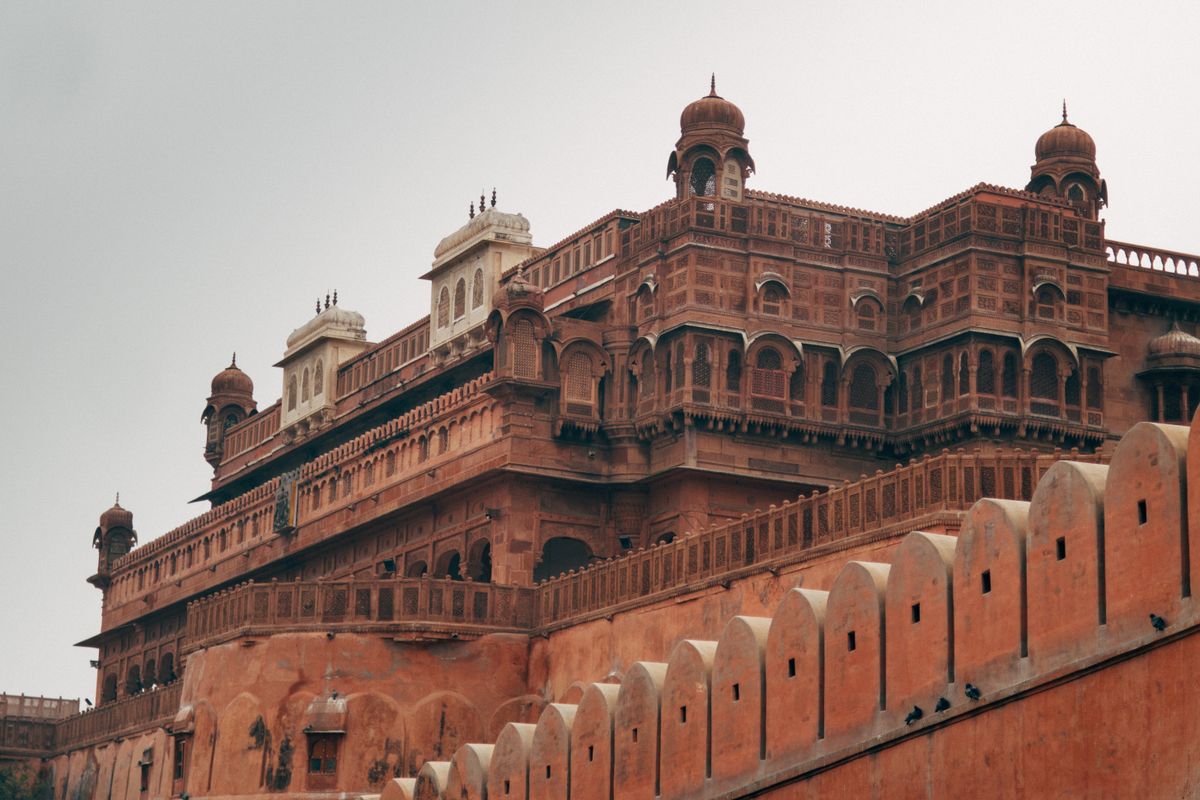
Approaching Jodhpur from any direction, Mehrangarh Fort dominates the skyline, a vast edifice perched on a perpendicular cliff that seems to defy both gravity and time. The blue-washed houses of the old city cluster below like a calm sea lapping at the fort's foundations. The road climbs steadily through the newer suburbs, where modern apartment blocks give way to the older mohallas with their narrow lanes and intricately carved havelis. From the taxi, you catch glimpses of everyday life: women in bright ghagras carrying water pots, children playing cricket in dusty maidans, vendors selling vegetables from handcarts.
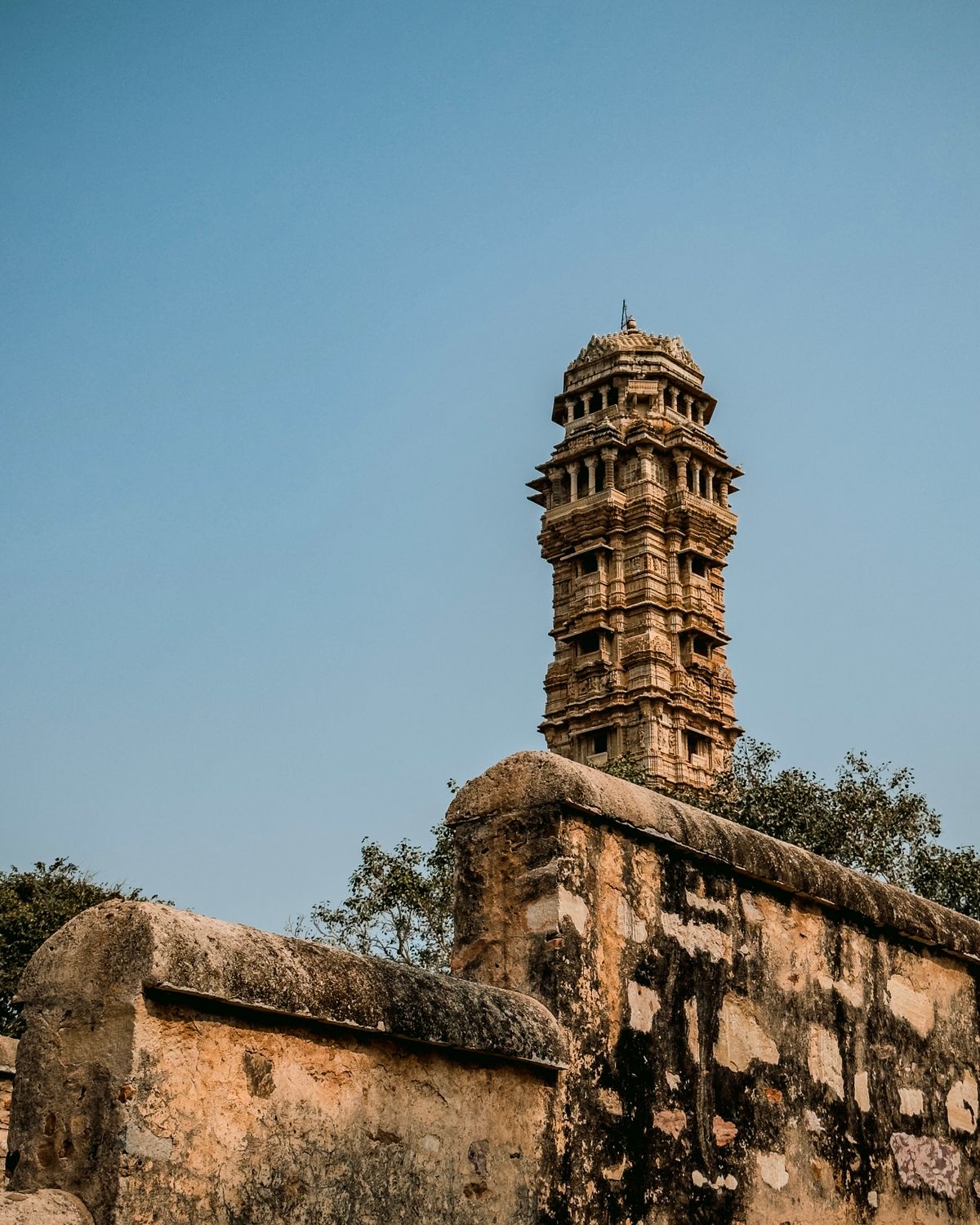
Jaisalmer presents a different spectacle entirely. The entire fort—the Sonar Quila—is a living citadel of honey-coloured sandstone that glows almost supernaturally at sunset. Unlike most Rajasthani forts, this one still houses residents, shops and guesthouses within its walls. The approach road crosses flat terrain where the fort appears to float above the desert haze, growing more solid and detailed as you draw nearer. The town spreads around its base, newer constructions extending outwards, but nothing competes with that central golden crown that has drawn traders and travellers for eight centuries.
Lake Palaces and Aravalli Greenery
The drive into Udaipur follows winding roads through the Aravalli hills, Rajasthan's oldest mountain range and a stark contrast to the desert regions. The landscape here is surprisingly verdant, especially after the monsoon, with sal and bamboo forests, terraced fields and seasonal waterfalls. The road dips and climbs, revealing sudden vistas of valleys and distant peaks. Small tribal villages cling to hillsides, their houses painted in bright colours, and shrines to local deities appear at curves and junctions, often adorned with fresh marigolds and vermillion.
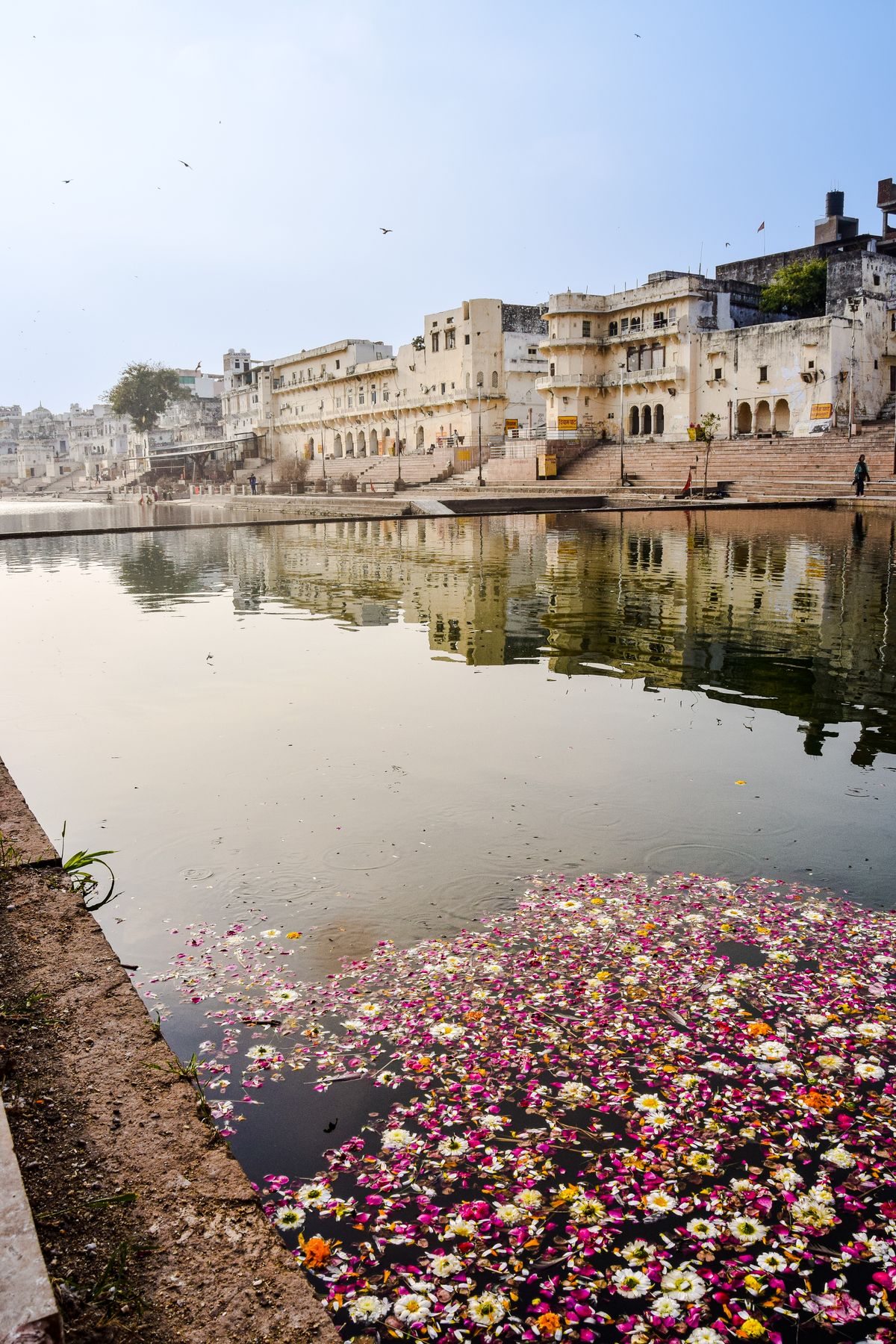
Descending towards the city proper, the lakes appear one by one: Fateh Sagar with its islands and fountains, then Pichola with the Lake Palace seemingly floating in its centre. The white marble and sandstone palaces catch the light at every angle, their reflections doubling the spectacle. The taxi weaves through the lakefront roads where tourists and locals mingle at ghats and promenades. The City Palace complex rises in tiers, its facades a wedding-cake confection of balconies, towers and cupolas. Udaipur's beauty is less about grandeur than grace, a feminine counterpoint to the martial architecture of the desert forts.
Rural Roads and Village Rhythms
Between Rajasthan's major cities, the roads pass through countless villages where life proceeds at its own unhurried pace. Camels and tractors share the tarmac, and bullock carts laden with fodder or sugarcane move to one side as vehicles pass. Women in vibrant saris walk along the roadside, often balancing pots or bundles on their heads with perfect poise. Roadside temples serve as rest stops and social hubs; chai stalls operate from windowless concrete rooms with a few benches outside, often shaded by a neem or banyan tree heavy with birds.
Agricultural landscapes change with the seasons and the region. Around Jodhpur and Bikaner, you see fields of bajra and mustard, the latter carpeting the land in brilliant yellow during winter. Near Kota and Bundi, the soil deepens and crops diversify—wheat, coriander, soya. Wells and stepwells dot the countryside, some ancient and architectural, others functional cement structures with electric pumps. Every village has its own character: some have beautifully painted havelis with frescoes still visible, others are more modest, but all possess a quiet dignity and a rhythm tied to the land and the seasons.
The Pink City's Planned Grandeur
Jaipur announces itself with characteristic boldness. The approach along the highway from Ajmer or Delhi passes through industrial suburbs and modern developments before the city's historic core reveals itself. The pink-washed buildings of the old city are not actually pink but a shade of terracotta ochre, the colour most visible on the facades along main thoroughfares. The wide, straight streets laid out by Maharaja Sawai Jai Singh II in the eighteenth century still define the city centre, a grid pattern unusual in medieval Indian urban planning and a pleasure to navigate by road.
Driving along MI Road or through the old city gates—each named for a direction and the goods once traded there—you pass the Hawa Mahal, that extraordinary facade of 953 windows designed to allow royal women to observe street festivals. The City Palace and Jantar Mantar sit nearby, the latter's enormous astronomical instruments still mathematically precise. The bazaars of Jodhpur, Bapu and Nehru host a chaos of rickshaws, pedestrians, wandering cows and shopkeepers, their stalls spilling into the streets with textiles, jewellery and lac bangles. Jaipur's architecture is exuberant, confident, a statement of Rajput pride and prosperity rendered in stone and plaster.
Seasonal Transformations Along the Routes
Rajasthan's roads reveal dramatically different landscapes depending on when you travel. During the monsoon months, from July to September, the scrubland explodes with greenery, ephemeral wildflowers appear, and even the Thar sees grasses sprouting between the dunes. Seasonal rivers that lie dry as dust for nine months suddenly flow, and waterfalls cascade down the Aravalli hillsides. The air smells of wet earth and rain-soaked vegetation, and the temperature drops to comfortable levels. Birds arrive in huge numbers—cranes, storks and flamingos at wetlands, raptors hunting in the fields.
Winter, from November to February, brings crisp mornings with mist hanging in the valleys and desert cold that surprises visitors expecting year-round heat. The mustard fields are at their brightest yellow, and migratory birds populate the lakes and marshes. Summer, April to June, is harsh and honest: the land bakes under a relentless sun, colours bleach to pale versions of themselves, and travel is best done in early morning or late afternoon. Yet even summer has its beauty—the stark clarity of light, the way heat haze makes distant forts shimmer like mirages, and the deep star-filled skies after sunset when the desert finally cools.